

$300.00 – $9,000.00Price range: $300.00 through $9,000.00
Etizolam is a pharmaceutical compound belonging to the thienodiazepine class, chemically related to benzodiazepines. First developed in Japan in the 1970s, it has been widely studied for its anxiolytic, hypnotic, and muscle-relaxant properties. Structurally, etizolam incorporates a thienyl group, giving it pharmacological effects similar to benzodiazepines while differing in certain central nervous system interactions.
Etizolam acts primarily on gamma-aminobutyric acid (GABA) receptors, enhancing GABAergic activity to produce a calming effect. Clinically, it has been prescribed for generalized anxiety disorder, panic attacks, and insomnia. Some research indicates it may carry a lower risk of dependence compared to traditional benzodiazepines, making it a potential alternative for individuals with a history of substance use disorders.
Regulatory approval exists in multiple countries outside the United States, including India and parts of Europe. Availability may vary due to restrictions arising from safety concerns, including overdose potential and withdrawal risk.
Etizolam enhances GABA activity in the central nervous system by binding to GABA-A receptors. This promotes chloride ion channel opening, leading to neuronal hyperpolarization and reduced excitability. The result is anxiolytic, sedative, and muscle-relaxant effects.
Pharmacodynamically, etizolam produces anxiolytic, hypnotic, antiepileptic, and muscle-relaxing outcomes, making it versatile in treating anxiety disorders, insomnia, and certain seizure conditions.
Etizolam is applied in clinical research and practice for:
Although etizolam offers advantages such as potentially lower dependence and withdrawal risk than traditional benzodiazepines, careful prescribing is essential. Long-term use may contribute to tolerance or cognitive impairment. Optimal treatment combines short-term pharmacotherapy with non-drug approaches to ensure safety and effectiveness.
Despite its therapeutic benefits, etizolam carries potential risks typical of CNS depressants:
Supervised use and adherence to dosing guidelines are critical to minimizing these risks.
Etizolam’s legal classification varies internationally:
The regulatory variability highlights the importance of understanding local laws and ensuring responsible handling to mitigate misuse and dependence.
Etizolam is a thienodiazepine with benzodiazepine-like properties, offering rapid anxiolytic and sedative effects. It plays a significant role in managing anxiety, insomnia, and related conditions under proper supervision. While effective, it carries risks of dependence, withdrawal, and adverse interactions, necessitating careful medical oversight and compliance with regulatory requirements.


















&url=https://primehealthpharmacy.com/product/methoxetamine-mxe/&media=https://primehealthpharmacy.com/wp-content/uploads/2026/01/MethoxetamineMXE.webp)


&url=https://primehealthpharmacy.com/product/methamphetamine-crystal-meth/&media=https://primehealthpharmacy.com/wp-content/uploads/2026/01/Methamphetamine-1024x824.jpg)
&url=https://primehealthpharmacy.com/product/amphetamine-speed-powder/&media=https://primehealthpharmacy.com/wp-content/uploads/2026/01/Speed-Powder.jpg)

&url=https://primehealthpharmacy.com/product/lgd-4033-ligandrol/&media=https://primehealthpharmacy.com/wp-content/uploads/2026/01/tenweb_media_ssyntocwe.webp)
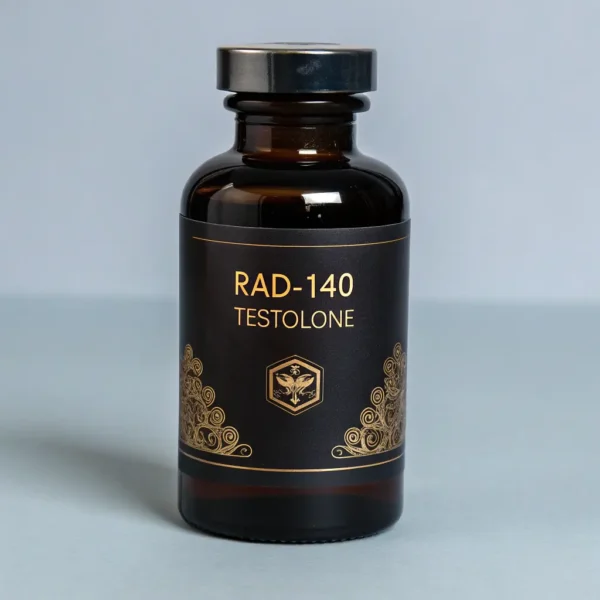
%20SARMs&url=https://primehealthpharmacy.com/product/rad-140-testolone-sarms/&media=https://primehealthpharmacy.com/wp-content/uploads/2026/01/tenweb_media_sxmj9l4ok.webp)
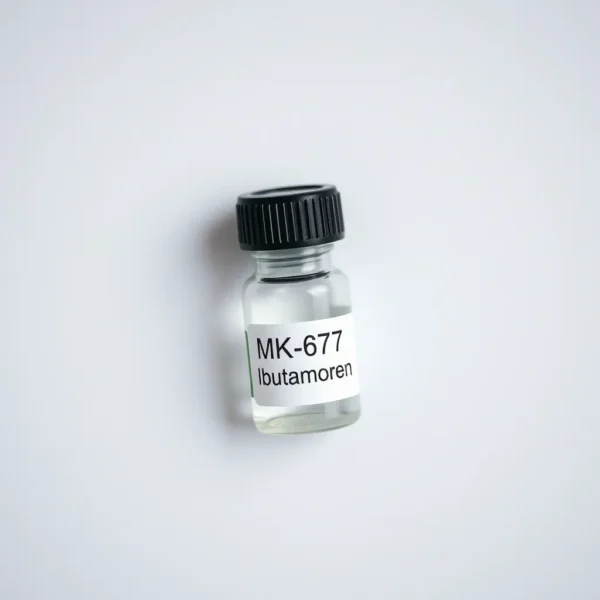
&url=https://primehealthpharmacy.com/product/mk-677-ibutamoren/&media=https://primehealthpharmacy.com/wp-content/uploads/2026/01/tenweb_media_SWEW5ITMU.webp)