
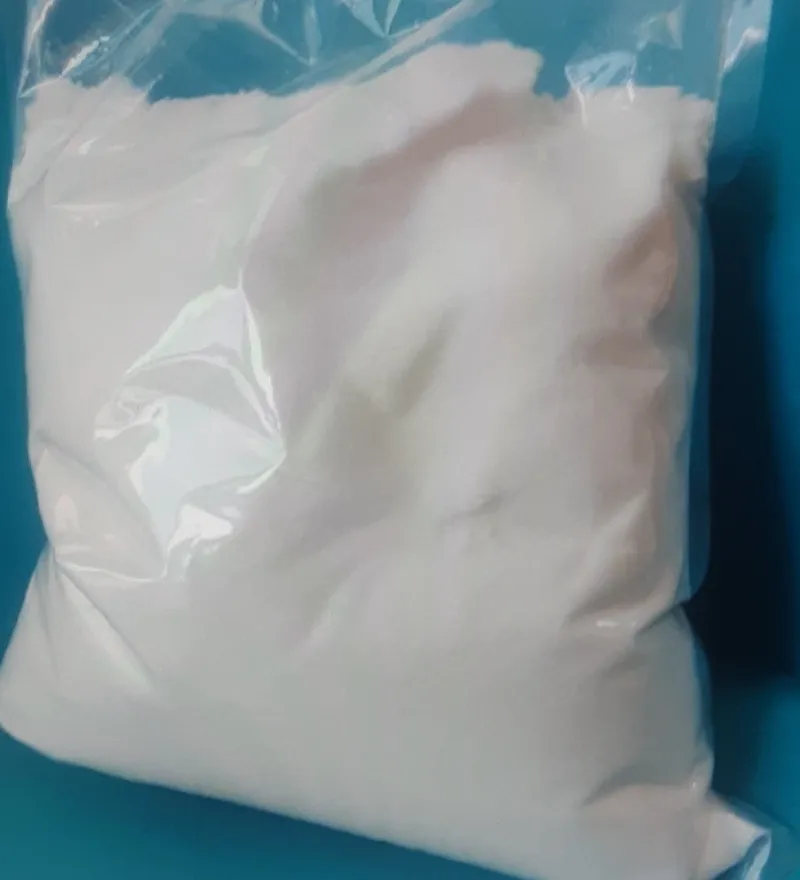
$260.00 – $7,500.00Price range: $260.00 through $7,500.00
Ephedrine is a sympathomimetic amine known for its stimulant and bronchodilator properties. It acts by mimicking the effects of endogenous neurotransmitters such as adrenaline (epinephrine) and norepinephrine, leading to increased heart rate, elevated blood pressure, and airway dilation.
Clinically, ephedrine has been widely used to treat respiratory conditions including asthma and bronchitis. It is also commonly administered in medical settings to manage hypotension, particularly during anesthesia. Due to its stimulant effects on the central and peripheral nervous systems, ephedrine has played an important role in both emergency medicine and chronic respiratory care.
From a chemical standpoint, ephedrine (molecular formula: C₁₀H₁₅NO) shares structural similarities with other sympathomimetic compounds such as:
These molecular relationships help explain overlapping pharmacological effects, though subtle structural differences significantly influence potency, duration of action, and safety profile.
Historically, ephedrine has been used for centuries in traditional Asian medicine, derived from the Ephedra plant. Its integration into modern pharmacology during the early 20th century marked a major advancement in respiratory and cardiovascular therapeutics.
Ephedrine is built upon a phenethylamine backbone and contains:
Its hydroxyl (-OH) group and amine functional group contribute to its activity at adrenergic receptors.
Although structurally related to methamphetamine and epinephrine, ephedrine differs in key ways:
These small molecular differences lead to distinct physiological outcomes.
Ephedrine functions as both:
Ephedrine stimulates:
It also promotes the release of stored norepinephrine from nerve terminals, amplifying sympathetic nervous system activity.
This dual mechanism explains its broad physiological effects, including:
Ephedrine has several established clinical applications.
Due to its bronchodilator effects, ephedrine has historically been used in managing:
By stimulating beta-adrenergic receptors, it relaxes airway smooth muscle, improving airflow.
In surgical and emergency settings, ephedrine is administered to counteract low blood pressure caused by anesthesia. Its ability to increase heart rate and vascular tone makes it particularly useful in acute care.
Ephedrine’s vasoconstrictive action reduces nasal swelling and congestion. However, due to regulatory concerns, its availability in over-the-counter products has become restricted in many regions.
Beyond its medical uses, ephedrine has been misused for:
Its appetite-suppressing and energy-boosting properties have contributed to its popularity in fitness and bodybuilding communities.
Recreational or excessive use increases the risk of:
Repeated use may also lead to tolerance and psychological dependence. Individuals may escalate dosage to achieve the same stimulant effect, increasing health risks.
Due to its potential misuse in the synthesis of illicit substances, ephedrine is strictly regulated in many countries.
Common regulatory measures include:
These controls aim to balance legitimate medical use with public safety concerns.
Anyone researching or using ephedrine should verify current local regulations, as laws vary internationally.
Ephedrine remains a clinically valuable sympathomimetic amine with important applications in respiratory care, anesthesia, and emergency medicine. Its molecular structure and dual mechanism of action provide significant therapeutic benefits.
However, its stimulant properties also introduce risks, particularly in non-medical contexts. Careful dosing, medical supervision, and regulatory oversight are essential to ensure safe use.
Future research directions may include:
As scientific knowledge advances, balanced evaluation of ephedrine’s benefits and risks will remain essential for both clinicians and patients.









&url=https://primehealthpharmacy.com/product/methoxetamine-mxe/&media=https://primehealthpharmacy.com/wp-content/uploads/2026/01/MethoxetamineMXE.webp)


&url=https://primehealthpharmacy.com/product/methamphetamine-crystal-meth/&media=https://primehealthpharmacy.com/wp-content/uploads/2026/01/Methamphetamine-1024x824.jpg)
&url=https://primehealthpharmacy.com/product/amphetamine-speed-powder/&media=https://primehealthpharmacy.com/wp-content/uploads/2026/01/Speed-Powder.jpg)
&url=https://primehealthpharmacy.com/product/lgd-4033-ligandrol/&media=https://primehealthpharmacy.com/wp-content/uploads/2026/01/tenweb_media_ssyntocwe.webp)

&url=https://primehealthpharmacy.com/product/mk-677-ibutamoren/&media=https://primehealthpharmacy.com/wp-content/uploads/2026/01/tenweb_media_SWEW5ITMU.webp)
%20SARMs&url=https://primehealthpharmacy.com/product/rad-140-testolone-sarms/&media=https://primehealthpharmacy.com/wp-content/uploads/2026/01/tenweb_media_sxmj9l4ok.webp)