
$235.00 – $1,900.00Price range: $235.00 through $1,900.00
Synthetic cannabinoids are a broad group of compounds designed to replicate the effects of natural cannabinoids found in cannabis. These chemicals interact with the body’s endocannabinoid system, producing psychoactive effects that range from mild euphoria to intense hallucinations. Originally developed in the 1980s for research and therapeutic purposes, synthetic cannabinoids gradually entered the recreational drug market as cannabis use became more widespread. Often sold as “legal highs” or “herbal incense,” these substances have created a growing class of designer drugs that pose significant public health and safety challenges.
Among these, indazole-based cannabinoids have gained particular attention. Indazole—a five-membered heterocyclic structure—is commonly included in synthetic formulations due to its strong binding affinity for cannabinoid receptors. This contributes to the potency and effects of these compounds. As chemists continue to modify their structures, indazole-based synthetic cannabinoids such as 5-CL-ADB-A are becoming increasingly complex, making detection and regulation more difficult.
The appeal of synthetic cannabinoids is fueled by several factors. Users often perceive them as legal alternatives to cannabis, sometimes with stronger effects and less chance of detection in drug tests. Their availability in shops or online also makes them easily accessible. However, limited research into their health impacts means their effects are unpredictable and potentially harmful.
5-CL-ADB-A is an indazole-based synthetic cannabinoid with a unique chemical structure. Like other synthetic cannabinoids, it is designed to mimic the psychoactive effects of natural cannabis, primarily targeting the CB1 receptor responsible for these effects.
Its structure is similar to 5F-ADB, a well-known synthetic cannabinoid, but with key differences. In 5-CL-ADB-A, the methyl ester of 5F-ADB is replaced with an amylene chain, altering its pharmacological profile. Additionally, the chlorine atom in 5-CL-ADB-A enhances its receptor binding, lipophilicity, and stability, influencing how it interacts with the body’s endocannabinoid system. These structural characteristics are central to understanding the compound’s potency and effects.
5-CL-ADB-A acts primarily on CB1 and CB2 receptors in the endocannabinoid system, producing stronger effects than natural cannabinoids like THC. Activation of CB1 receptors in the central nervous system can induce euphoria, altered perception, and relaxation, similar to cannabis. However, its high potency also carries risks: short-term effects may include anxiety, paranoia, confusion, elevated heart rate, dry mouth, and dizziness.
Long-term effects are less understood, but there is concern about potential dependency, withdrawal, tolerance, and negative impacts on cognitive function and mental health. Understanding its receptor interactions is essential to assess both its potential therapeutic value and health risks.
The legal status of 5-CL-ADB-A varies globally, reflecting the complexity of regulating novel psychoactive substances. In many regions, synthetic cannabinoids remain unregulated, allowing online sales. However, as awareness of their risks grows, more countries are enacting restrictions.
In the United States, 5-CL-ADB-A is not explicitly listed as a controlled substance but may be prosecuted under the Federal Analog Act if chemically similar to a scheduled drug. European countries often classify indazole-based compounds as controlled substances, though enforcement is complicated by online sales and chemical modifications designed to evade regulation. The rapid proliferation of synthetic cannabinoids underscores the need for comprehensive legal frameworks and public health strategies.
Using synthetic cannabinoids like 5-CL-ADB-A carries significant health risks. Their unpredictable effects can range from anxiety and paranoia to hallucinations. The unregulated nature of these products increases the likelihood of overdose or exposure to contaminants.
Addiction is also a concern. Users may develop tolerance, requiring higher doses, which can lead to psychological dependence. Unlike traditional cannabis, synthetic cannabinoids can be more potent and unpredictable, with comparable or higher risks of mental health issues.
Product variability is another major concern. Many synthetic cannabinoids are produced in uncontrolled environments, resulting in inconsistent potency and potential contamination. Harm reduction strategies, including user education and awareness campaigns, are essential to minimize the risks associated with these substances and promote safer practices.









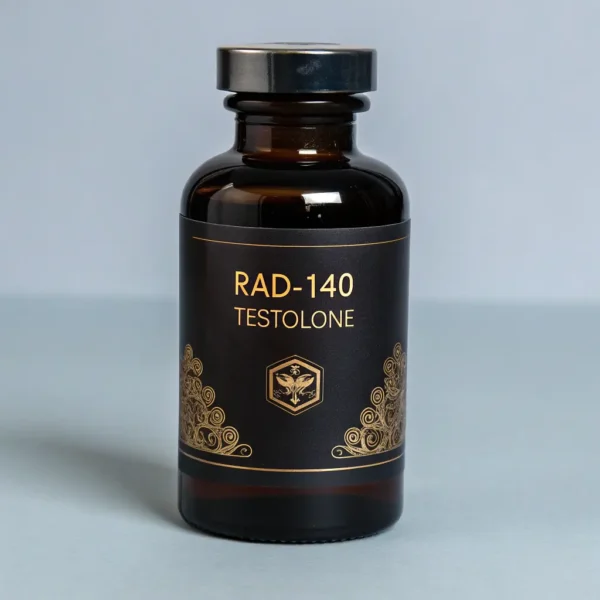
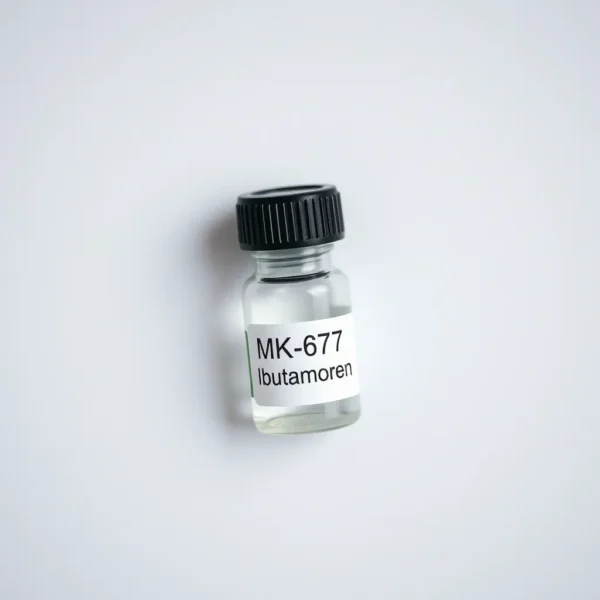


&url=https://primehealthpharmacy.com/product/methoxetamine-mxe/&media=https://primehealthpharmacy.com/wp-content/uploads/2026/01/MethoxetamineMXE.webp)


&url=https://primehealthpharmacy.com/product/methamphetamine-crystal-meth/&media=https://primehealthpharmacy.com/wp-content/uploads/2026/01/Methamphetamine-1024x824.jpg)
&url=https://primehealthpharmacy.com/product/amphetamine-speed-powder/&media=https://primehealthpharmacy.com/wp-content/uploads/2026/01/Speed-Powder.jpg)

&url=https://primehealthpharmacy.com/product/lgd-4033-ligandrol/&media=https://primehealthpharmacy.com/wp-content/uploads/2026/01/tenweb_media_ssyntocwe.webp)
%20SARMs&url=https://primehealthpharmacy.com/product/rad-140-testolone-sarms/&media=https://primehealthpharmacy.com/wp-content/uploads/2026/01/tenweb_media_sxmj9l4ok.webp)
&url=https://primehealthpharmacy.com/product/mk-677-ibutamoren/&media=https://primehealthpharmacy.com/wp-content/uploads/2026/01/tenweb_media_SWEW5ITMU.webp)