

$400.00 Original price was: $400.00.$350.00Current price is: $350.00.
Generic name: Ketamine
Brand name: Ketalar
Dosage form: Injection 200 mg/20 mL (10 mg/mL), 500 mg/10 mL (50 mg/mL), and 500 mg/5 mL (100 mg/mL)
Drug class: General anesthetics
Ketamine, chemically known as (RS)-2-(2-chlorophenyl)-2-(methylamino)cyclohexanone, is a synthetic dissociative anesthetic first developed in the 1960s for human and veterinary use. Its cyclohexanone core and aromatic ring enable it to act on the N-methyl-D-aspartate (NMDA) receptor in the brain, producing anesthetic and analgesic effects.
Administered primarily via intravenous or intramuscular routes, ketamine acts quickly but with a relatively short duration. In medical settings, it induces a dissociative state—patients are not fully conscious but remain free from pain. This makes it particularly valuable in trauma care and emergency procedures where traditional anesthetics may be less effective.
Beyond anesthesia, ketamine has applications in acute pain management, procedural sedation, and as a rapid-acting treatment for depression, especially in patients resistant to standard antidepressants. However, ketamine is also used recreationally for its hallucinogenic effects, raising concerns about addiction and health risks. Understanding ketamine’s dual role as both a medical tool and a substance of abuse is essential to appreciating its full impact.
Approved by the FDA in 1970, ketamine is valued for inducing anesthesia while maintaining hemodynamic stability, making it suitable for emergency situations. Unlike many anesthetics, it provides pain relief and sedation without significantly impairing respiratory function.
Ketamine primarily works as an NMDA receptor antagonist, blocking pain signal transmission in the central nervous system. This mechanism supports both surgical anesthesia and postoperative pain management. Its rapid onset and short duration allow clinicians to provide immediate relief effectively.
Dosing depends on the procedure and patient characteristics, ranging from 1 to 4.5 mg/kg intravenously for surgical anesthesia. Despite its advantages, ketamine may cause side effects such as hallucinations, dissociation, or elevated blood pressure, necessitating careful monitoring during and after administration.
Recently, ketamine has emerged as a promising treatment for depression, particularly in cases resistant to conventional medications. Acting on the brain’s glutamate system rather than serotonin or norepinephrine, ketamine can produce rapid improvements in mood, sometimes within hours. It may promote synaptogenesis, the formation of new synapses, which contributes to its quick antidepressant effect.
While its rapid action is beneficial, long-term safety and efficacy remain under study. Repeated treatments may pose risks such as dissociation, dependency, or cognitive effects. Currently, ketamine is used off-label for depression, and ongoing research seeks to clarify optimal dosing, administration methods, and its neurobiological mechanisms.
Ketamine’s hallucinogenic properties have made it a popular recreational drug, often used in parties or nightclubs. Users seek dissociative, euphoric experiences, but recreational use carries significant dangers, including addiction, impaired judgment, and physical or psychological harm.
Illicit ketamine use also raises serious safety concerns. It is sometimes used as a “date rape” drug due to its ability to induce amnesia and dissociation. Repeated misuse can lead to psychological dependence and a harmful cycle of use, with unpredictable effects due to variations in purity and potency.
Ketamine is a multifaceted compound with significant medical value, particularly as an anesthetic and a rapid-acting antidepressant. However, its hallucinogenic potential and abuse risk require careful management.
Ongoing research and regulated clinical use are essential to ensure patient safety while leveraging ketamine’s therapeutic benefits. Awareness, responsible prescribing, and education about its risks can help maximize its medical potential without enabling misuse. By balancing innovation with caution, healthcare providers can use ketamine safely and effectively.




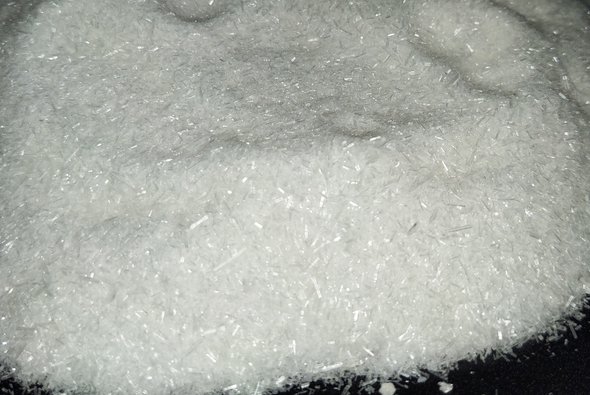
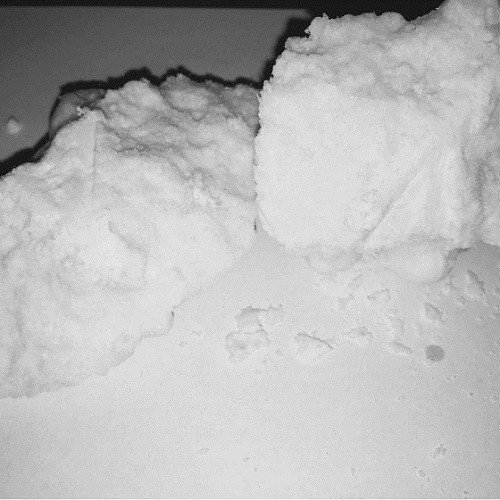




&url=https://primehealthpharmacy.com/product/methoxetamine-mxe/&media=https://primehealthpharmacy.com/wp-content/uploads/2026/01/MethoxetamineMXE.webp)


&url=https://primehealthpharmacy.com/product/methamphetamine-crystal-meth/&media=https://primehealthpharmacy.com/wp-content/uploads/2026/01/Methamphetamine-1024x824.jpg)

&url=https://primehealthpharmacy.com/product/amphetamine-speed-powder/&media=https://primehealthpharmacy.com/wp-content/uploads/2026/01/Speed-Powder.jpg)
&url=https://primehealthpharmacy.com/product/lgd-4033-ligandrol/&media=https://primehealthpharmacy.com/wp-content/uploads/2026/01/tenweb_media_ssyntocwe.webp)

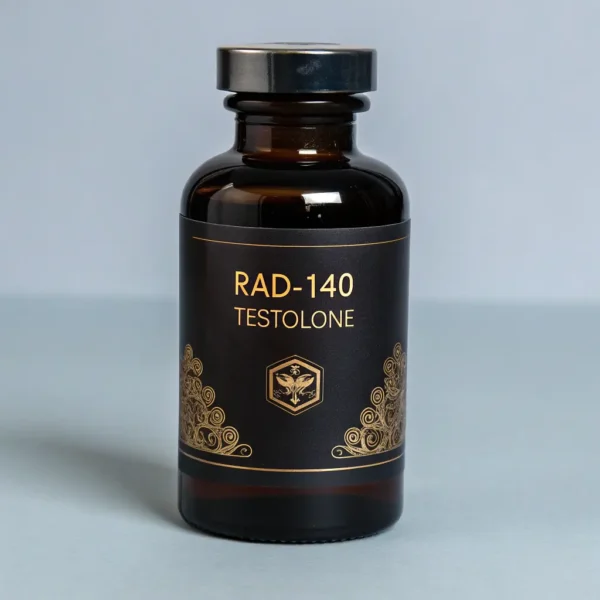
%20SARMs&url=https://primehealthpharmacy.com/product/rad-140-testolone-sarms/&media=https://primehealthpharmacy.com/wp-content/uploads/2026/01/tenweb_media_sxmj9l4ok.webp)
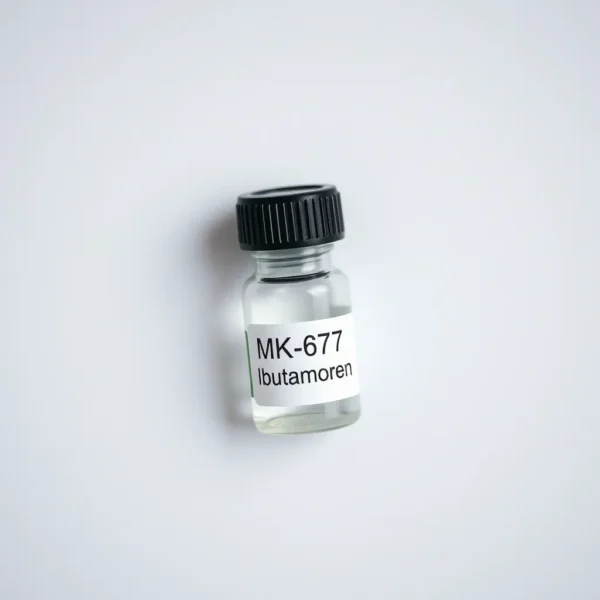
&url=https://primehealthpharmacy.com/product/mk-677-ibutamoren/&media=https://primehealthpharmacy.com/wp-content/uploads/2026/01/tenweb_media_SWEW5ITMU.webp)