
$230.00 – $3,000.00Price range: $230.00 through $3,000.00
Other name: 3-Chloromethcathinone HCl
IUPAC: 1-(3-Chlorophenyl)-2-(methylamino)propan-1-one HCl
Purity: above 98%
Keep away from children and animals – for technical use only
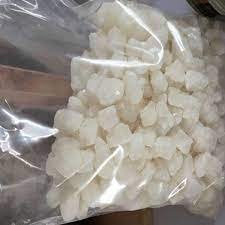
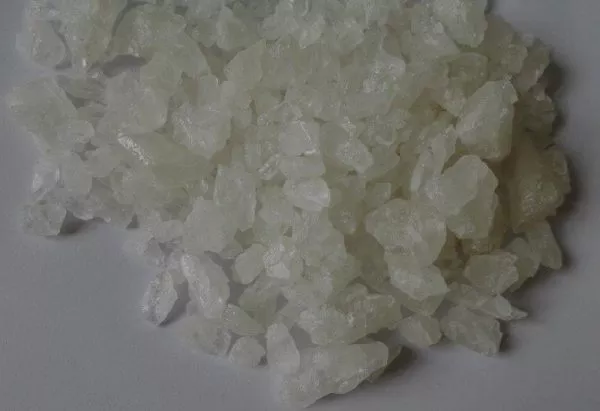
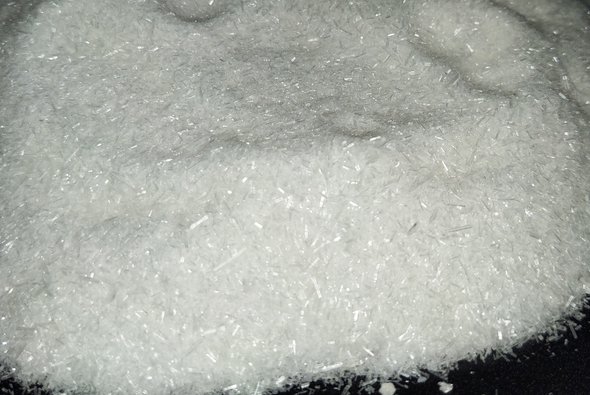
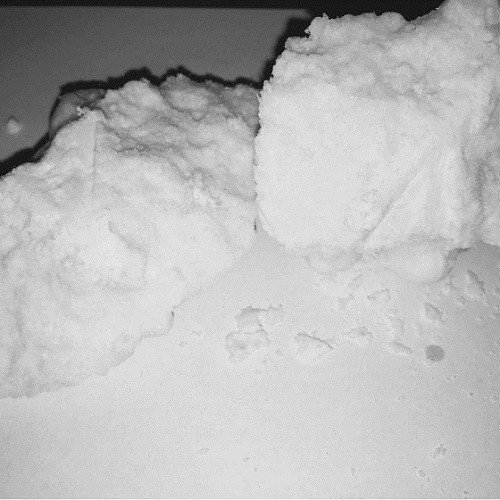
3CMC crystals, formally known as 3-chloromethcathinone, are a prominent example of designer drugs within the substituted cathinone family. This class of synthetic stimulants, which includes substances like mephedrone, has gained attention for their psychoactive effects and rising prevalence in recreational drug use.
Chemically, 3CMC is distinguished by a chloromethyl group attached to its cathinone backbone. This modification not only defines its pharmacological properties but also aligns it with other synthetic derivatives designed to mimic the effects of traditional stimulants. The presence of chlorine in its structure contributes to its classification as a substituted cathinone and highlights its similarity to mephedrone.
Users often seek 3CMC for its stimulant effects, which may include elevated mood, increased energy, and enhanced alertness. However, due to its largely unregulated status, 3CMC carries significant risks related to safety, addiction, and other adverse health outcomes. The emergence of 3CMC reflects a broader trend of engineered recreational substances whose long-term effects are not fully understood, emphasizing the need for continued research and regulation.
3CMC is a synthetic cathinone with the chemical formula C10H12ClNO. Its structure shares similarities with other designer stimulants, including mephedrone, which helps explain its classification as a psychoactive stimulant. The chlorine atom in its composition impacts its pharmacology, producing stimulant effects that can vary among individuals.
The compound primarily acts by inhibiting the reuptake of dopamine, norepinephrine, and serotonin, increasing their concentrations in the brain. This leads to enhanced mood, energy, sociability, and feelings of euphoria. While these effects may have potential therapeutic implications, such as in mental health research, they also carry considerable risks.
The stimulant properties of 3CMC can strain the cardiovascular system, elevate body temperature, and contribute to mental health issues such as anxiety and paranoia. Repeated use may result in tolerance, dependence, and potential addiction, highlighting the need for awareness and caution.
The legal standing of 3CMC varies widely across countries. In jurisdictions where mephedrone and related compounds are controlled, 3CMC may also be considered illegal. For instance, the United Kingdom banned mephedrone in 2010 under the Misuse of Drugs Act, a restriction that often extends to analogs like 3CMC.
Other countries may not explicitly classify 3CMC, creating legal gray areas. Nations like Canada and Australia regulate broad categories of synthetic stimulants, which can include 3CMC under certain conditions. This variation complicates law enforcement and highlights the challenges in controlling the distribution of emerging designer drugs, especially when online marketplaces facilitate global access.
The use of 3CMC carries multiple physical and psychological risks. Physiologically, it can increase heart rate and blood pressure and may lead to cardiovascular problems or seizures. Psychologically, users may experience anxiety, paranoia, depression, or severe mood swings, sometimes prompting repeated use to mitigate negative effects.
The unregulated nature of 3CMC also raises concerns about contamination, unknown dosages, or inconsistent purity, amplifying the risk of severe adverse reactions, including hospitalization or psychotic episodes. Understanding these dangers is critical for anyone considering its use, and emphasizes the importance of education and harm reduction.
Designer drugs like 3CMC continue to evolve, driven by online accessibility and changing patterns of recreational use. Younger populations are increasingly experimenting with novel psychoactive substances without fully understanding their risks. This trend underscores the need for harm reduction strategies, including education, access to information, and support for safe practices.
Further research into the pharmacology, short- and long-term effects, and potential therapeutic applications of designer drugs is essential. A better understanding can inform public health policies, improve treatment approaches, and guide responsible regulation.
In conclusion, the rise of substances like 3CMC highlights the need for awareness, education, and research. By promoting informed discussions and evidence-based policies, society can better navigate the challenges posed by designer drugs while supporting harm reduction and safety.










&url=https://primehealthpharmacy.com/product/methoxetamine-mxe/&media=https://primehealthpharmacy.com/wp-content/uploads/2026/01/MethoxetamineMXE.webp)


&url=https://primehealthpharmacy.com/product/methamphetamine-crystal-meth/&media=https://primehealthpharmacy.com/wp-content/uploads/2026/01/Methamphetamine-1024x824.jpg)

&url=https://primehealthpharmacy.com/product/amphetamine-speed-powder/&media=https://primehealthpharmacy.com/wp-content/uploads/2026/01/Speed-Powder.jpg)
&url=https://primehealthpharmacy.com/product/lgd-4033-ligandrol/&media=https://primehealthpharmacy.com/wp-content/uploads/2026/01/tenweb_media_ssyntocwe.webp)

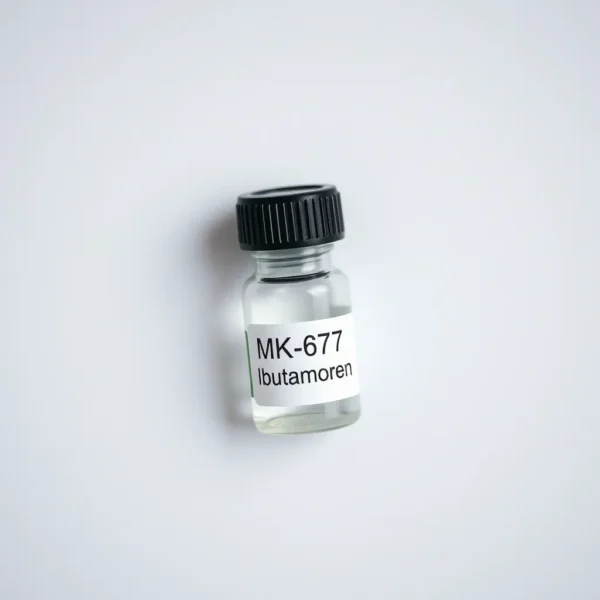
&url=https://primehealthpharmacy.com/product/mk-677-ibutamoren/&media=https://primehealthpharmacy.com/wp-content/uploads/2026/01/tenweb_media_SWEW5ITMU.webp)
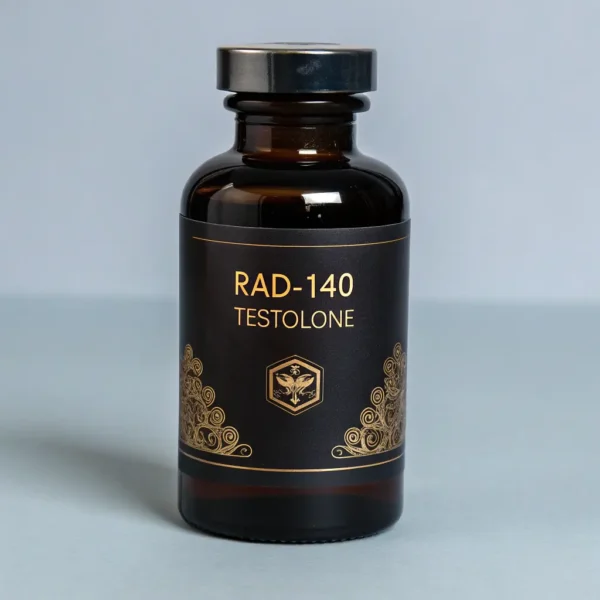
%20SARMs&url=https://primehealthpharmacy.com/product/rad-140-testolone-sarms/&media=https://primehealthpharmacy.com/wp-content/uploads/2026/01/tenweb_media_sxmj9l4ok.webp)